大津市歴史博物館の過去イベントのリスト
以下は大津市歴史博物館で行われた過去のイベントのリストです。 現在のイベント、もうすぐ始まるイベントに関しては、 このスペースのページに掲載しております。
「第73回企画展 田上てぬぐい-暮らしと文化-」
 [0]
[0]  [0]
[0]- メディア プロダクト ・ ファッション
- 2017年07月22日 〜 2017年08月27日
大津市の南部に位置する田上(たなかみ)盆地は、豊かな田園の広がる農村です。かつてこの地方で使われていた手ぬぐいは、年齢にあわせた模様が染められ、正装にも使われるかぶり物でした。この手ぬぐいをはじめ、田…詳細 »
「成安造形大学 進級制作展 2017」
[0] [0]- メディア グラフィックデザイン ・ 絵画 ・ 日本画 ・ 写真 ・ プロダクト ・ ファッション
- 2017年02月15日 〜 2017年02月19日
京都成安造形大学の卒業制作展・進級制作展となります。 [関連イベント] ●京都会場 卒業制作・進級制作展 日時: 1月25日〜1月29日 9:00-17:00(最終日は16:00まで) 会…詳細 »
「発掘された日本列島2016」 展
[0] [0]- メディア 彫刻・立体
- 2016年08月06日 〜 2016年09月11日
日本全国では、毎年約8,000回もの埋蔵文化財発掘調査が実施されています。本展は、近年、特に注目された遺跡について、発掘調査及び整理作業の成果を広く公開するため、文化庁の主催によって毎年開催されている…詳細 »
「大津の仏教文化16 - 歴博周辺のほとけさま- 」展
[0] [0]- メディア 彫刻・立体
- 2016年06月07日 〜 2016年07月24日
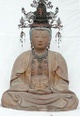
本展では博周辺に伝わる仏像を展示いたします。 ※詳細は公式ホームページにてご確認ください。詳細 »
「大津歴博の玉手箱」 展
[0] [0]- メディア 絵画 ・ 工芸
- 2016年03月05日 〜 2016年04月17日
琵琶湖と美しい山々の恵みを受け、豊かな歴史と文化が育まれてきた大津市。当館の25周年を記念して、当館所蔵・保管資料にスポットを当てた展示を開催しています。本館収蔵品の絵画・仏教美術・古文書・考古資料・…詳細 »
「比叡山 ‐ みほとけの山 ‐ 」 展
[0] [0]- メディア 彫刻・立体
- 2015年10月10日 〜 2015年11月23日
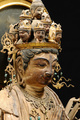
本展では、大津が育んだ重要な文化の一つである比叡山の仏教文化について紹介します。広範囲にわたる比叡山の山麓に伝わる仏像や仏画、さらには比叡山の知識の宝庫、叡山文庫の古文書や絵図などを展示することで、そ…詳細 »
「広重の旅 浮世絵・近江・街道」展
[0] [0]- メディア 絵画 ・ 版画
- 2015年07月25日 〜 2015年08月30日
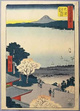
「【保永堂板】東海道五十三次」や「【保永堂・栄久堂板】近江八景之内」を始め、様々な街道・名所風景表現をみせた、浮世絵風景版画や絵画作品を展示します。詳細 »
「江若鉄道の思い出」 展
[0] [0]- メディア 写真
- 2015年03月07日 〜 2015年04月12日
懐かしい写真などから、みなさんの記憶を思い起こしていただくことで、ご一緒に当時の思い出を共有し、それらを後世へと伝えていく。詳細 »
「三井寺 仏像の美」
[0] [0]- メディア 彫刻・立体
- 2014年10月11日 〜 2014年11月24日
本年は円珍生誕1200年の節目の年にあたり、三井寺では慶讃大法会として秘仏公開が行われます。本館ではこれにあわせて、普段拝むことの出来ない三井寺山内や大津町に残る仏像の数々を紹介します。詳細 »
「戦争と大津 - 激動の時代と子どもたち - 」展
[0] [0]- メディア 写真 ・ イラスト
- 2014年07月19日 〜 2014年08月31日
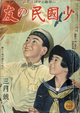
第二次世界大戦が終結してから、本年で69年目の夏を迎えます。当時、戦争を体験された方々の高齢化も進んでおり、戦争の記憶が風化しようとしている現在、戦争の時代の記録と記憶を後世に語り継ぐことが、平和な世…詳細 »
「第63回企画展 湖都大津のこもんじょ学」展
[0] [0]- メディア 工芸 ・ 陶芸
- 2014年03月01日 〜 2014年04月13日
古文書(こもんじょ)は、広い意味では「古くなった文書」のことを指します。そこに書かれているのは、過去の事件や出来事だけではありません。各時代の社会の様子や人々の暮らしも、そこから読み解くことができます…詳細 »
「百人一首かるたの世界」展
[0] [0]- 2013年10月05日 〜 2013年11月17日
近江神宮では、祭神の天智天皇が小倉百人一首の巻頭であることにちなみ、競技かるた日本一を競う新年の「かるた名人位・クイーン位決定戦」をはじめ、多くの全国大会が開催されています。まさに、大津は競技かるたの…詳細 »
「戦時下の大津」展
[0] [0]- 2013年08月13日 〜 2013年09月08日
昭和20年(1945)8月、第2次世界大戦が終結してから、今年で68年が経過しました。戦争の惨禍を記憶される方々の高齢化が進み、戦争そのものの風化による危機感が叫ばれてからでも久しい年月が過ぎました。…詳細 »
「珠玉の大津絵 - 町田市博 × 大津歴博コレクション - 」展
[0] [0]- メディア 絵画
- 2013年07月26日 〜 2013年09月01日
公立博物館として、東日本で最も充実した大津絵コレクションを所蔵している町田市立博物館。これまで、まとまった形で近畿圏や大津絵のふるさと大津で紹介される機会はありませんでした。そのコレクションは、貴重な…詳細 »
「大津絵百面相 - 画家たちのゆかいな大津絵 - 」展
[0] [0]- メディア 絵画
- 2013年07月02日 〜 2013年08月11日
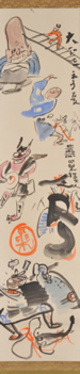
街道の土産物・大津絵は、何を隠そう、旅人たち以上に、円山応挙、池大雅、紀楳亭ら上方の絵師たちや、歌川広重・国芳ら江戸の浮世絵師たちに大人気のキャラクターでした。その絵師たちの人気も、明治時代の街道と大…詳細 »

「広重の見た東海道」展
[0] [0]- メディア 版画
- 2008年05月27日 〜 2008年06月29日
歌川広重の保栄堂板「東海道五十三次」シリーズは、天保5年(1834)に55枚のセット売りが開始されました。このシリーズは、各宿場の風景や行きかう旅人の描写など、情感あふれる作品として知られ、他の街道シ…詳細 »
「楳亭・金谷 近江蕪村と呼ばれた画家」展
[0] [0]- メディア 絵画
- 2008年03月06日 〜 2008年04月20日
江戸時代中期の俳諧中興の大家、与謝蕪村は、一方で、当時、新風をもたらしていた絵画様式・文人画の立役者としても著名です。大津では、呉春とならぶ蕪村の門弟であった九老(きゅうろう・紀楳亭)が、人々に親しま…詳細 »
「園城寺の慶長期の復興と金堂の再建」展
[0] [0]- メディア 建築 ・ 彫刻・立体
- 2007年10月23日 〜 2007年11月25日
園城寺(三井寺)は、文禄4年(1595)に豊臣秀吉により闕所を言い渡され、寺院としての機能を停止させられます。寺内にあった仏像などの宝物は、園城寺の門跡寺院である聖護院や照高院などに疎開され、堂舎も他…詳細 »
「戦国の大津 天下統一の夢 坂本城・大津城・膳所城」展
[0] [0]- メディア 絵画 ・ 建築
- 2007年10月06日 〜 2007年11月18日
16世紀末から17世紀初頭、3人の戦国武将が、大津の地に城を築きました。織田信長が元亀2年(1571)の山門焼き打ち後に坂本城を、豊臣秀吉が本能寺の変から数年を経た天正14年頃に大津城を、そして関ヶ原…詳細 »
「匠の技を知るー園城寺と葛川明王院の保存修理現場から」展
[0] [0]- メディア 建築
- 2007年09月04日 〜 2007年10月21日
国宝の園城寺金堂と重要文化財の葛川明王院本堂、護摩堂は、本格的な修復が現在行われています。本展では、普段見ることができない建物の裏側や、古建築修復の様子などを、古建築修復の実物や道具、そして写真パネル…詳細 »
「大津の仏教文化8 日吉山王曼荼羅 拾遺」展
[0] [0]- メディア 絵画
- 2007年05月29日 〜 2007年07月08日
大津市内に伝来する豊かな仏教文化に関わる文化財を紹介するシリーズ。今回は、昨秋に開催した企画展『天台を護る神々―山王曼荼羅の諸相―』では紹介しきれなかった山王曼荼羅や、その後の調査などでその所在が新た…詳細 »
「館蔵大津絵」展
[0] [0]- メディア 絵画
- 2007年04月24日 〜 2007年05月27日
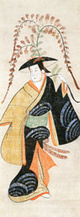
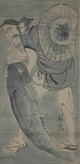
大津絵は、東海道大津宿の追分・大谷界隈で売られていた土産物です。そのユーモラスな表現が好評を博し、当時全国に知られた民画でした。本展では、よく知られる「鬼の念仏」や「藤娘」のほか、初期の仏画から近代の…詳細 »








2D
3D
Screen
Misc.
Particip.
エリアで探す:
京都市東山区(1) 京都市左京区(0) 京都市上京区(1) 京都市中京区(3) 京都市下京区(0) 京都市北区(0) 京都府(その他)(0) 大阪市北区(2) 大阪市中央区(2) 大阪市西区(1) 大阪市港区(0) 大阪市天王寺区(0) 万博記念公園(0) 大阪府(その他)(5) 神戸市(4) 姫路市(0) 兵庫県(その他)(1) 奈良県(1) 滋賀県(0) 三重県(0) 和歌山県(0)
スマートリスト:
最も人気 | スタート間近 | オープニングパーティー | ついに開始 | もうすぐ終了 | 美術館の割引クーポン | ファミリーで | 入場無料 | 遅くまで開館 | 常設展